


Choosing the Right BTE Form Factor
For buyers weighing behind the ear hearing aids across a clinic, a workplace program or a retail counter, the deciding factor is rarely the brand on the box — it is whether the form factor matches the wearer's loss range, daily routine and charging habits. This guide works through those criteria in order, then measures a current ready-to-wear model against them: the Primo S1601, Item No. 00114, which sits inside the BTE hearing aids category with 16-channel WDRC amplification, four listening programs and up to 25 hours of use per charge.

Ready-to-wear rechargeable BTE hearing aid — Primo S1601, Item No. 00114.
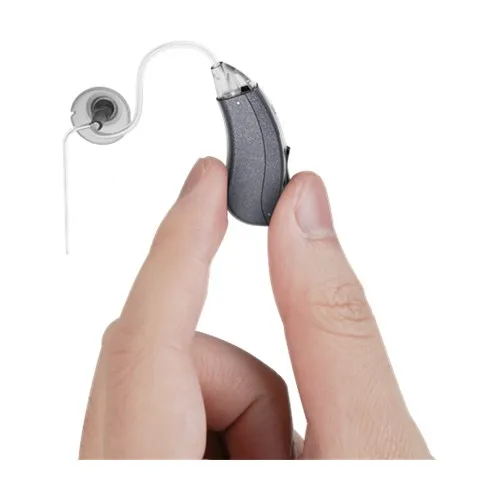
Where the housing, the receiver and the dome sit changes handling, care and fit range.
What “Behind the Ear” Means Today
Four placements get marketed under the same umbrella. The differences that matter to a buyer are where the receiver sits, how much hardware fits in the case, and what the wearer has to clean.
BTE (behind-the-ear)
The housing, receiver and electronics sit behind the ear, and sound travels through tubing into a dome or earmold in the canal. The case has room for larger controls, a rechargeable cell and more processing channels, and it is the easiest of the four to handle with the fingers.
Mini-BTE
A slimmer version of the same idea: the case is narrower and the tubing thinner, so it disappears more easily behind the ear. The trade-off is less internal space, which usually means smaller cells and fewer onboard controls to operate by touch.
RIC / RITE
The receiver moves out of the case and into the canal, connected by a thin wire. Appearance improves, but the receiver, wire and dome are the parts most exposed to moisture and earwax, so the care routine shifts toward those components rather than the housing.
ITE / ITC
Every component sits inside a shell built to an individual ear impression. Fitting is a custom process with its own appointment cycle, and vents and wax guards become the recurring maintenance items. Inventory cannot be held as a single stock SKU.
Form-Factor Comparison Matrix
Read the “choose this when” column first, then work left. The highlighted row is the verified ready-to-wear BTE build; the other rows stay at category level because those specifics vary by maker and model.
| Form factor | Receiver location | Indicated loss range | Amplification approach | Power model | Routine care focus | Choose this when… |
|---|---|---|---|---|---|---|
| Behind-the-ear, ready-to-wear rechargeable (Primo S1601) | Receiver and electronics in the case behind the ear; sound delivered through a silicone ear dome | Mild to moderate | 16-channel WDRC with multi-band noise reduction | Rechargeable — up to 25 hours per charge via EZCharge® smart charging | Domes and tubing; no battery changes | You want a full-day rechargeable device, four switchable programs and domes that can be swapped to suit different ear canal anatomies. |
| Mini-BTE | Case behind the ear in a slimmer housing | Model-dependent | Manufacturer-dependent digital processing | Cell or rechargeable, model-dependent | Thin tubing and battery door | Housing bulk is the main objection and the wearer is comfortable handling small parts. |
| RIC / RITE | Receiver in the ear canal, joined by a thin wire | Model-dependent | Manufacturer-dependent digital processing | Cell or rechargeable, model-dependent | Receiver, wire and dome | Discreet appearance is the priority and the wearer will keep the wire and receiver dry and clean. |
| ITE / ITC | Entirely inside a custom shell in the ear | Model-dependent | Manufacturer-dependent digital processing | Smaller cells, model-dependent | Shell vents and wax guards | A custom impression fit is required and the fitting appointment cycle can be supported. |
Category rows are shown for orientation only. Confirm channels, power model and indicated range against each maker's own current documentation before specifying.
Ready-to-Wear vs Custom-Fit: What You’re Optimizing For
This is a business decision before it is a clinical one. Pick the model you can actually support at the counter, in the clinic or in the field.
Ready-to-wear
- One stock SKU covers a range of canal shapes because the domes are interchangeable.
- Fitting depends on dome choice and program setup rather than a shell impression.
- Field replacement is simple: swap the dome, not the device.
- Modular construction is described as optimized for manufacturability and quality control, which matters when you reorder.
- Suits counters, workplace programs and distribution where speed of hand-over is the constraint.
Custom-fit
- Every unit is tied to one ear impression, so nothing is held as finished stock.
- Fitting skill and appointment time become the limiting resource, not inventory.
- Remakes and adjustments are part of the normal workflow.
- Better where discretion or canal geometry demands a shell, and where the buyer already runs a fitting service.
- Demands a longer customer relationship before revenue lands.
Choosing a custom model without the fitting capacity to service it turns every sale into an open job.
Ordering outside your indicated loss range leaves units no one in your funnel can be matched to.
If wearers cannot manage the control scheme, every volume question comes back to your team.
Presets that do not reflect the environment people actually sit in are the fastest route to returns.
Anatomy of a Modern Rechargeable BTE: Primo S1601
Each feature below is written as what it means for the person wearing the device and for the team supporting it — not as a specification recital. The unit is built on a robust modular design described as optimized for manufacturability and quality control.


Primo S1601, Item No. 00114 — housing with interchangeable silicone ear domes, and the EZCharge charging case.
16-channel WDRC amplification
Sixteen independent gain control channels let the device raise speech more than steady background sound across the listening range. For a buyer, that is the practical difference between a one-shape-fits-all amplifier and a device that can be tuned to different environments.
Multi-band noise reduction
Layered noise reduction works alongside the gain channels rather than replacing them, so noisy rooms do not simply get quieter overall. The result is calmer background sound while speech detail is preserved.
EZCharge® smart charging, up to 25 hours per charge
The charging cycle is managed to limit heat build-up and cut overall power consumption, which extends single-use runtime and slows battery degradation. In practice the wearer charges overnight and expects roughly a full day of use from one cycle.
Four listening programs
Four switchable presets let the wearer move between listening situations instead of asking for a re-fit each time. For a supplier, that means fewer support calls about settings that no longer suit the room.
Rocker switch control
Volume and program changes run through a physical rocker switch rather than a menu or an app. That keeps control usable for wearers who are not comfortable with touchscreens, and it works without a paired phone nearby.
Interchangeable silicone ear domes
Dome sizes can be swapped to accommodate variable ear canal anatomies from a single device line. It is the feature that makes a ready-to-wear BTE viable as stocked inventory rather than a made-to-measure item.
Primo S1601 Specifications at a Glance
Everything below is stated on the product page. Nothing outside this table — dimensions, ingress rating or commercial terms — is published, so treat any figure you see elsewhere as unconfirmed.
| Model | Primo S1601 |
|---|---|
| Item No. | 00114 |
| Form factor | Behind-the-ear (BTE), ready-to-wear |
| Channels | 16-channel WDRC / 16 independent gain control channels |
| Battery life | Up to 25 hours per charge |
| Charging | EZCharge® smart charging technology |
| Listening programs | 4 switchable programs |
| Noise reduction | Multi-band / layered noise reduction |
| Ear tips | Interchangeable silicone ear domes |
| Indicated hearing loss | Mild to moderate |
| Control | Rocker switch for volume and program changes |

Rechargeable BTE platform, Item No. 00114 — intended for mild to moderate hearing loss.
Scenario-to-Specification: Match the Setting to the Build
Start with where the device will be handed over and used, then read back to the spec that decides whether it works there.
Pharmacy or retail counter sale
- Spec that decides it
- Interchangeable silicone ear domes plus a rechargeable power model — no battery inventory and no impression appointment.
- Buyer decision
- Stock the ready-to-wear BTE and train counter staff on dome selection and program basics rather than fitting.
Occupational / workplace programme
- Spec that decides it
- Up to 25 hours per charge covers a full shift without a top-up, and 4 listening programs cover a quiet office and a plant floor in the same day.
- Buyer decision
- Avoid models that need a mid-shift battery change; standardise on one charger routine across the site.
Clinic fitting for mild to moderate loss
- Spec that decides it
- 16-channel WDRC with multi-band noise reduction gives the clinician range to tune rather than a fixed response.
- Buyer decision
- Keep a ready-to-wear BTE on the shelf for wearers whose loss range matches, and reserve custom shells for canal geometry that demands one.
Distributor stock programme
- Spec that decides it
- A modular design described as optimized for manufacturability and quality control, plus one device line spanning multiple dome sizes.
- Buyer decision
- Carry fewer SKUs deeper, and use the four programs to serve different customer segments from the same build.
From Inquiry to Production Quote
The Primo S1601 page carries no published price and no add-to-cart step — it is quoted on request, and the same path handles bulk orders, private-label branding and OEM/ODM conversations with hearing aid suppliers and OEM customers.
Related Products
Keep adjacent product options together for a faster catalog comparison.
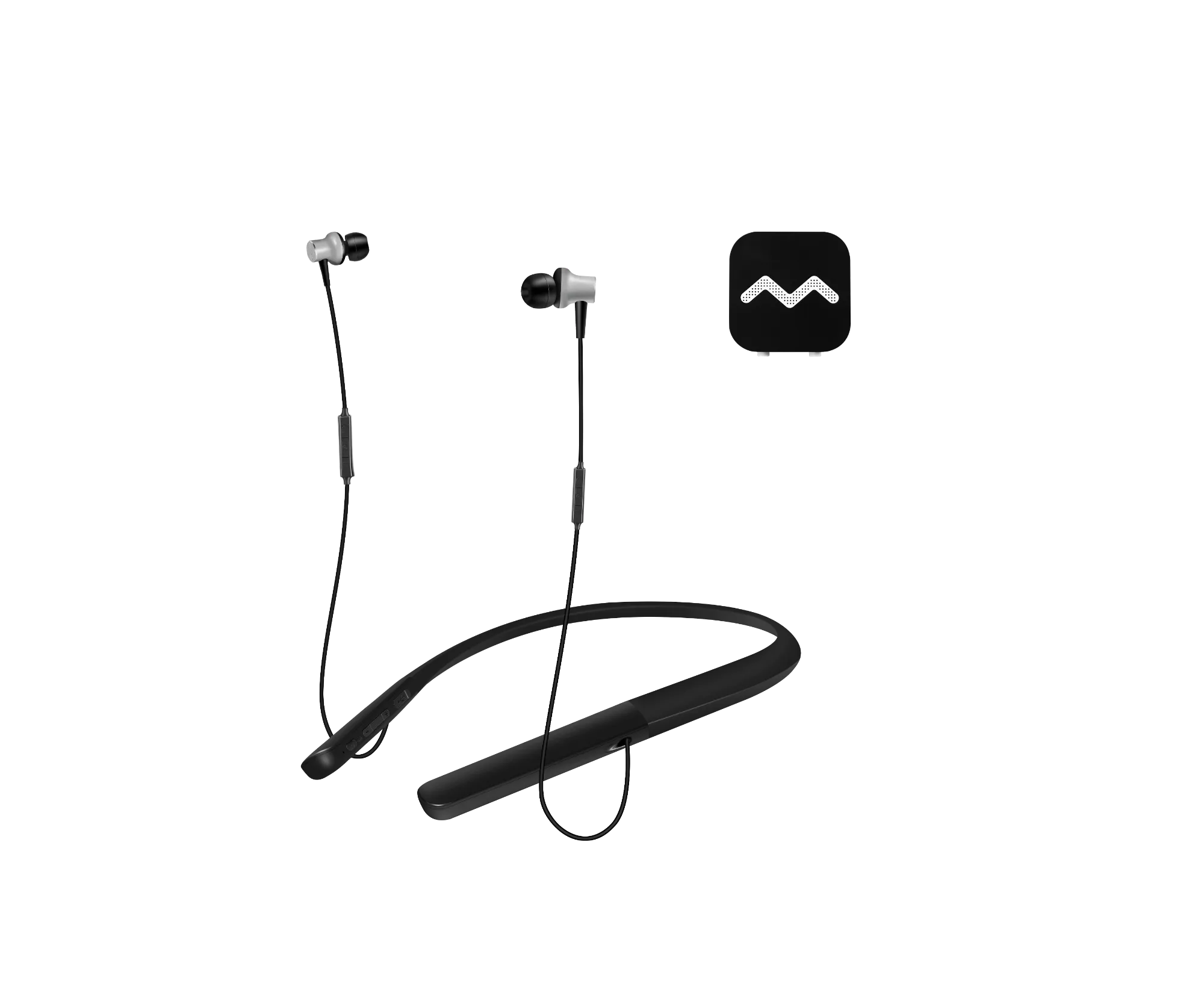
Neckband Bluetooth Hearing Amplifier with remote microphone-BW51
Ergonomic BW51 neckband design offers rechargeable bluetooth hearing aids with binaural control. A reliable solution from a professional hearing aid manufacturer.
View product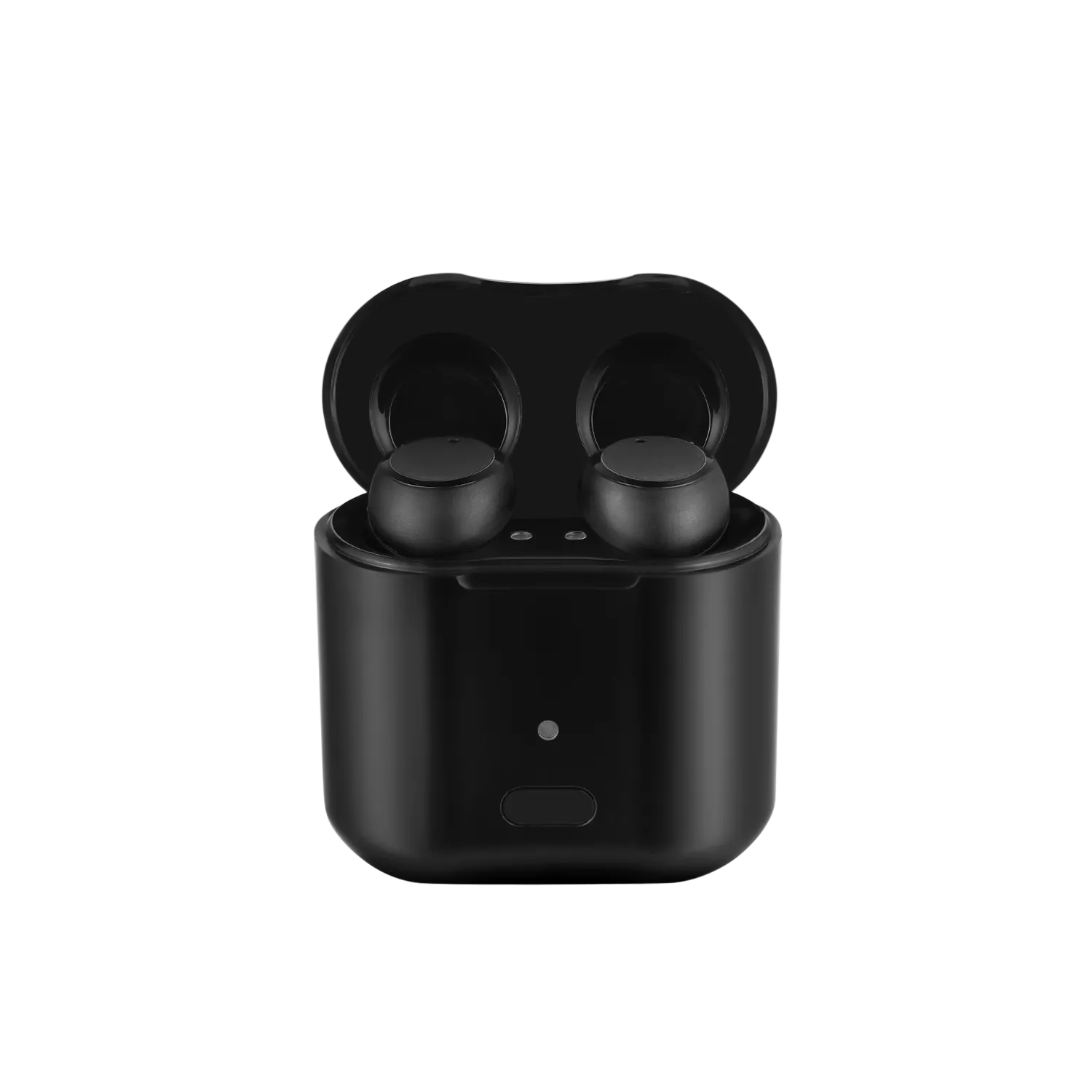
APP Rechargeable Mini In the Ear hearing aid -POCO ZA 401
Source professional in the ear hearing aids with Bluetooth hearing aids connectivity. Engineered for 20-hour battery life and advanced sound customization.
View product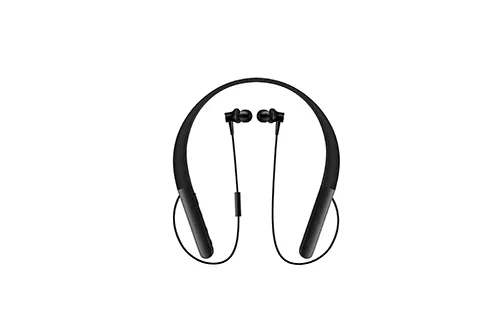
Neckband Bluetooth Hearing Amplifier -BW53
Fully customizable OEM solutions from a leading hearing aid manufacturer. Our binaural hearing aids offer professional-grade sound for wholesale distribution.
View productFrequently Asked Questions
what exactly is a behind-the-ear hearing aid?
it is a device whose housing, electronics and receiver sit behind the ear, with sound carried through tubing into a dome or earmold in the ear canal. the primo s1601 uses this layout in a ready-to-wear build with interchangeable silicone ear domes.
how many channels does the primo s1601 have, and why does that matter?
it offers 16-channel wdrc — 16 independent gain control channels — combined with multi-band noise reduction. more independent channels give a fitter more range to shape the response for different listening environments.
how long does the battery last and how is it charged?
up to 25 hours of use per charge, using ezcharge® smart charging technology. the system is described as limiting heat during the charging cycle, reducing power consumption and slowing battery degradation.
which hearing loss range does this bte cover?
the product page indicates mild to moderate hearing loss, and the device is aimed primarily at hearing aid suppliers and oem customers. it is not presented as a solution for severe or profound loss.
what are the four listening programs for?
they are switchable presets that let the wearer adapt to different noise scenarios without a re-fit, and they are changed with the rocker switch alongside volume. fewer setting adjustments usually means fewer support queries for the supplier.
how do i request a quote or discuss oem customisation?
there is no price or cart on the product page — orders start with a quote request or a direct message through the contact page. use that route for bulk pricing, private-label branding, packaging and documentation requirements.